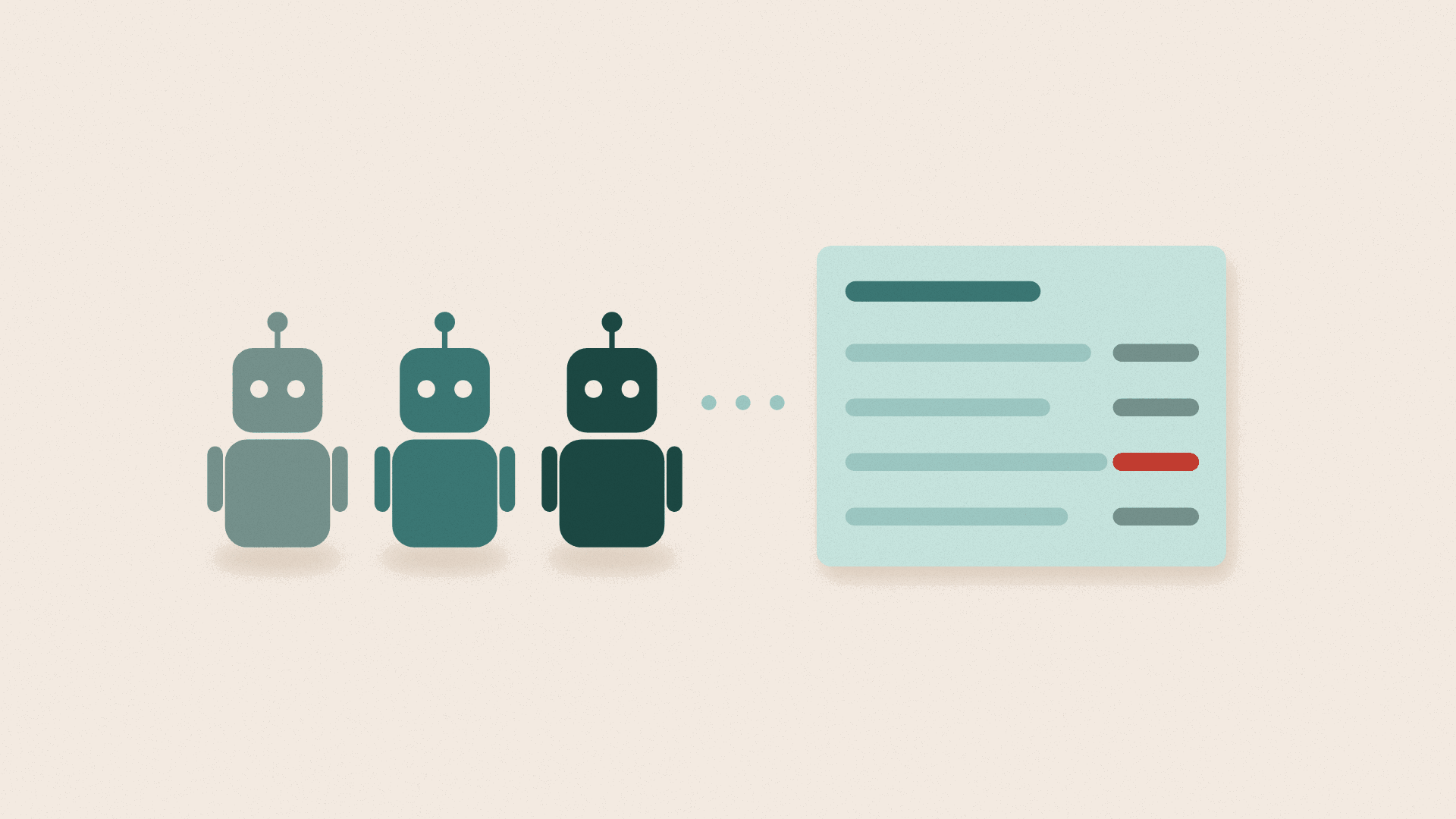
Three flat teal robots facing a rounded panel of work rows, one row carrying a small red marker

The Agentic Era Arrives in SRP

Monday, 8:55am. You type one line into Claude:

Where are we, and what needs me today?

A few seconds later you have it. Two initiatives at risk and the reason for each. Three tasks of yours due this week. Ana is off Thursday, which is why the design review has no room in it. You reply, in the same window: move the review to Wednesday, add a blocker to the billing rewrite for the legal sign-off, and add a task to the website project to redo the pricing copy. Done, all of it, in your workspace, with your name on it.

No board. No tabs. No status meeting. That is live today: SRP now runs an MCP server, and any assistant that speaks MCP can plug straight into your work.
September 9, 2026 · 5 min · SRP Team
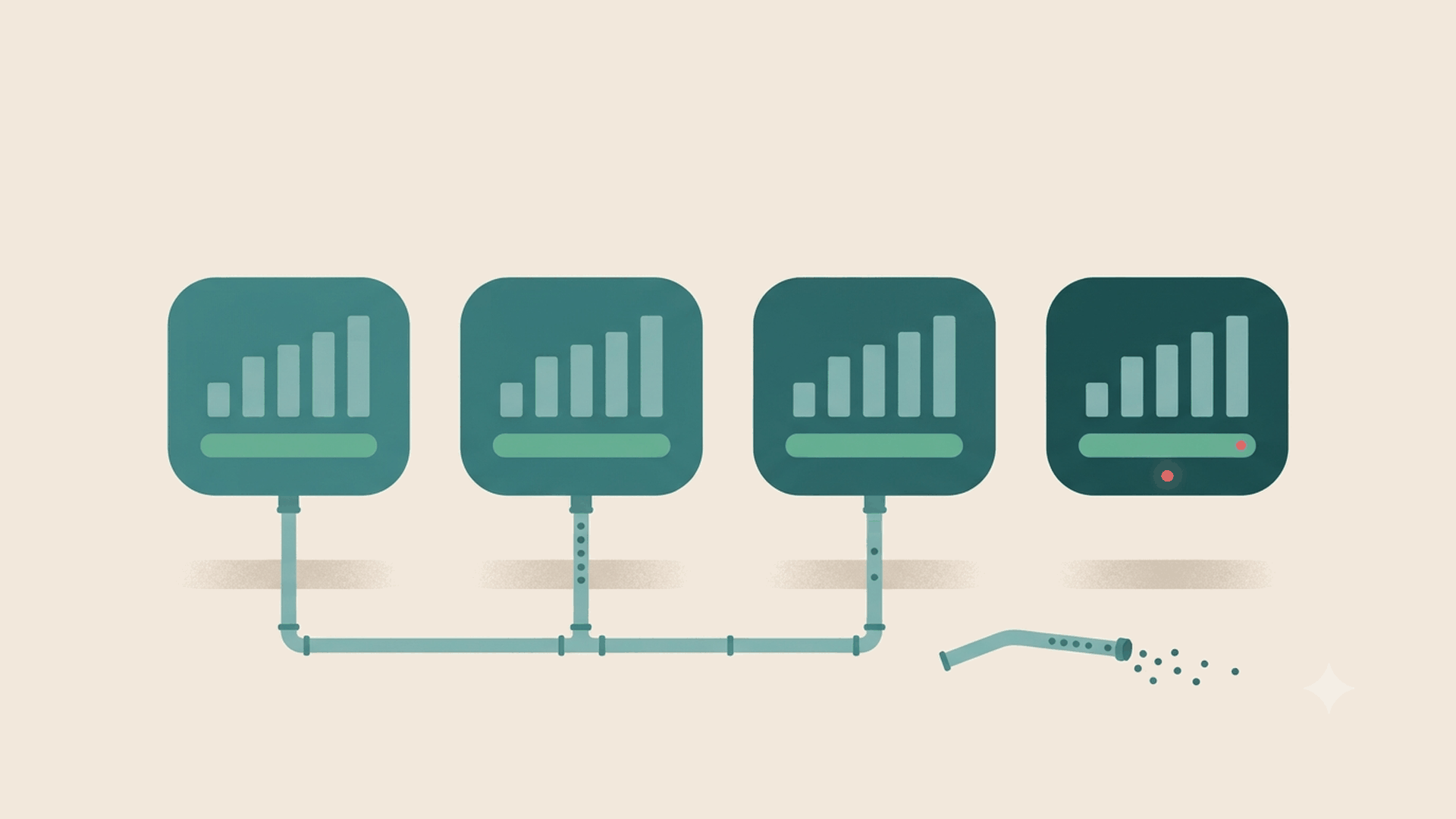
Four teal dashboard panels in a row, each showing a rising bar chart and a full green status bar. Three are plumbed into a supply line running beneath them. The fourth has no feed at all; the length of pipe that should serve it lies on the ground beside it, spilling data out of its open end, and yet that panel still reads as healthy apart from one small red dot.

Four Questions to Ask Before You Trust a Feature

We have argued before that the half of governance built on habit gives way under load. The report that requires busy people to feed it honestly every day fails on precisely the weeks it was bought for. That is a claim about a category. This is the practical follow-on: how to test any single feature in your stack for it, before you find out the expensive way.

It takes about a minute per feature and needs no trial period. Four questions.

August 12, 2026 · 4 min · SRP Team
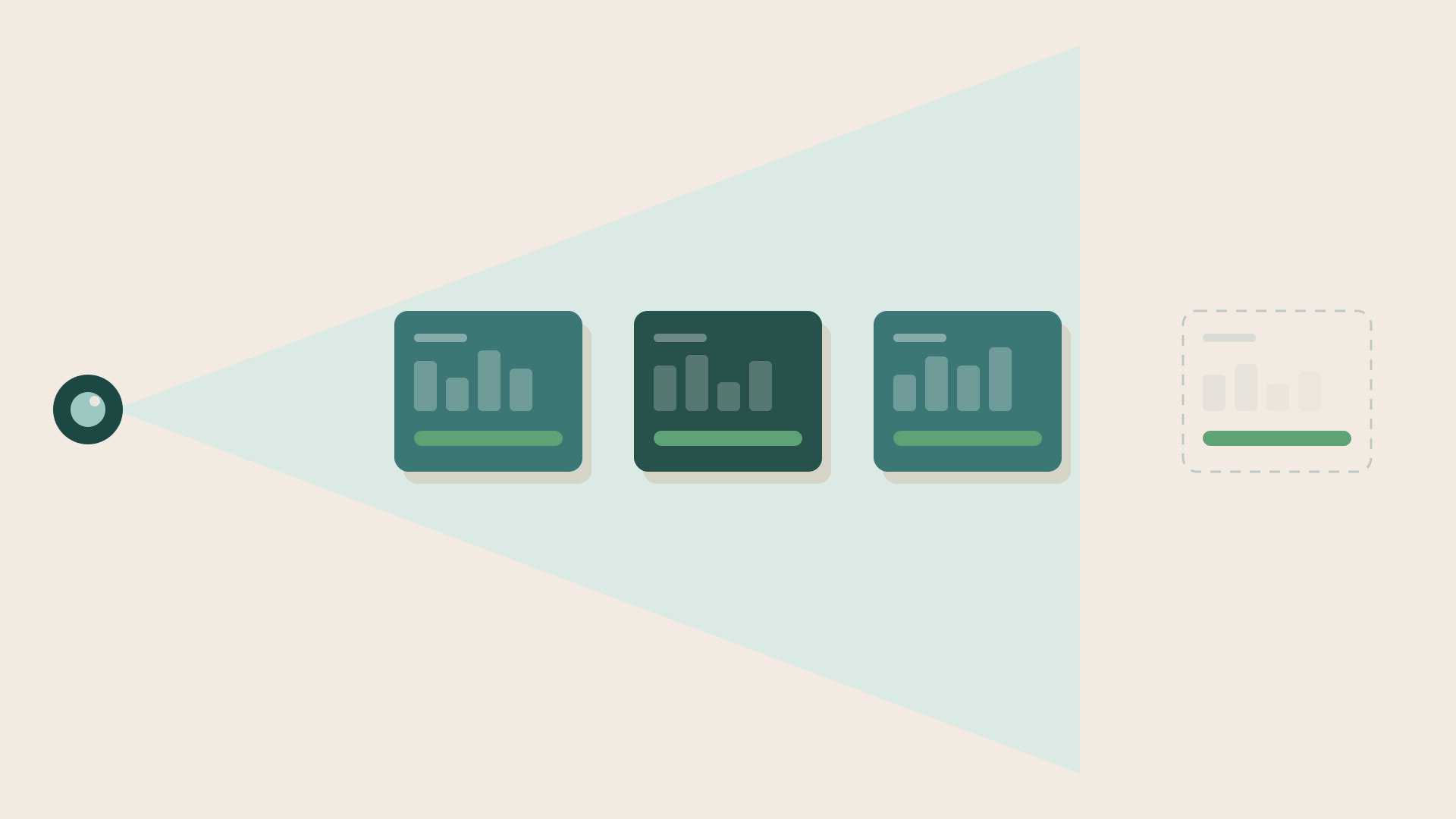
A dark lens on the left casts a pale wedge of visibility across the scene. Three project cards sit inside the wedge, fully drawn, each with a solid green status bar. A fourth card sits outside it, sketched as a dashed outline with barely visible contents, and yet its green status bar is exactly as solid as the other three.

Green Because Fine, or Green Because Blind?

A tool that derives risk from your work instead of asking someone to type it solves a real problem. It also introduces a new one, and it is worth naming plainly rather than discovering it the hard way.

A derived signal is a claim about the world, produced from data. If the data is thin, stale, or simply absent, the claim is wrong. But it does not look wrong. It looks exactly like a correct one, because it was computed a moment ago from whatever was available, and freshness of computation is not the same thing as completeness of input. That is the trap. A green project can mean the work is healthy, or it can mean the system cannot see the work at all, and by default those two render identically.

August 12, 2026 · 6 min · SRP Team
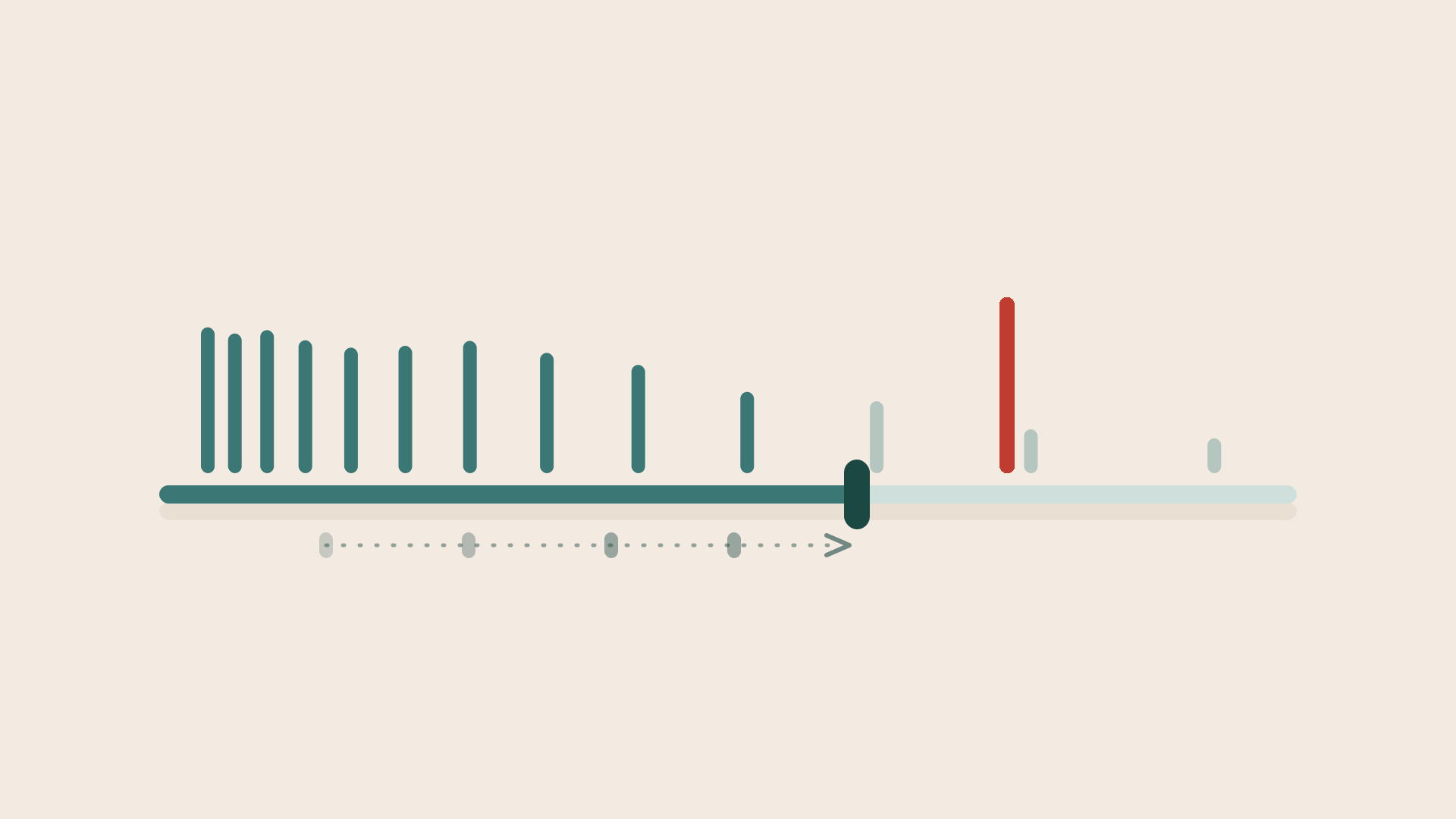
A long horizontal threshold slider. To the left of the handle, densely packed teal bars stand tall, everything the alert still catches. To the right the bars thin out and fade to grey, ignored. Beneath the track, a dotted trail of faded past handle positions runs left to right with an arrow, showing the threshold has only ever been loosened. Well past the handle stands a single tall red bar, uncaught.

The Calibration Problem: Why Every Alert Drifts Toward Silence

Any tool that warns you about slipping work has a number in it somewhere. How many days of silence before a task counts as stale. How far behind an iteration has to fall before it goes amber. How close a due date has to be before anyone hears about it. That number is a judgement call, and it is the least discussed part of the entire category, because it is where a warning system either earns its place or quietly becomes furniture.

Get it wrong in one direction and the tool shouts at everything. People stop reading, build a filter to mute it, and start tracking the real risks in a side channel. Get it wrong in the other and the tool sits there approving of everything, and you are back to relying on someone noticing in time. Both are failures. Only one of them ever generates a complaint, and that asymmetry is what actually kills alerting systems.

August 10, 2026 · 6 min · SRP Team
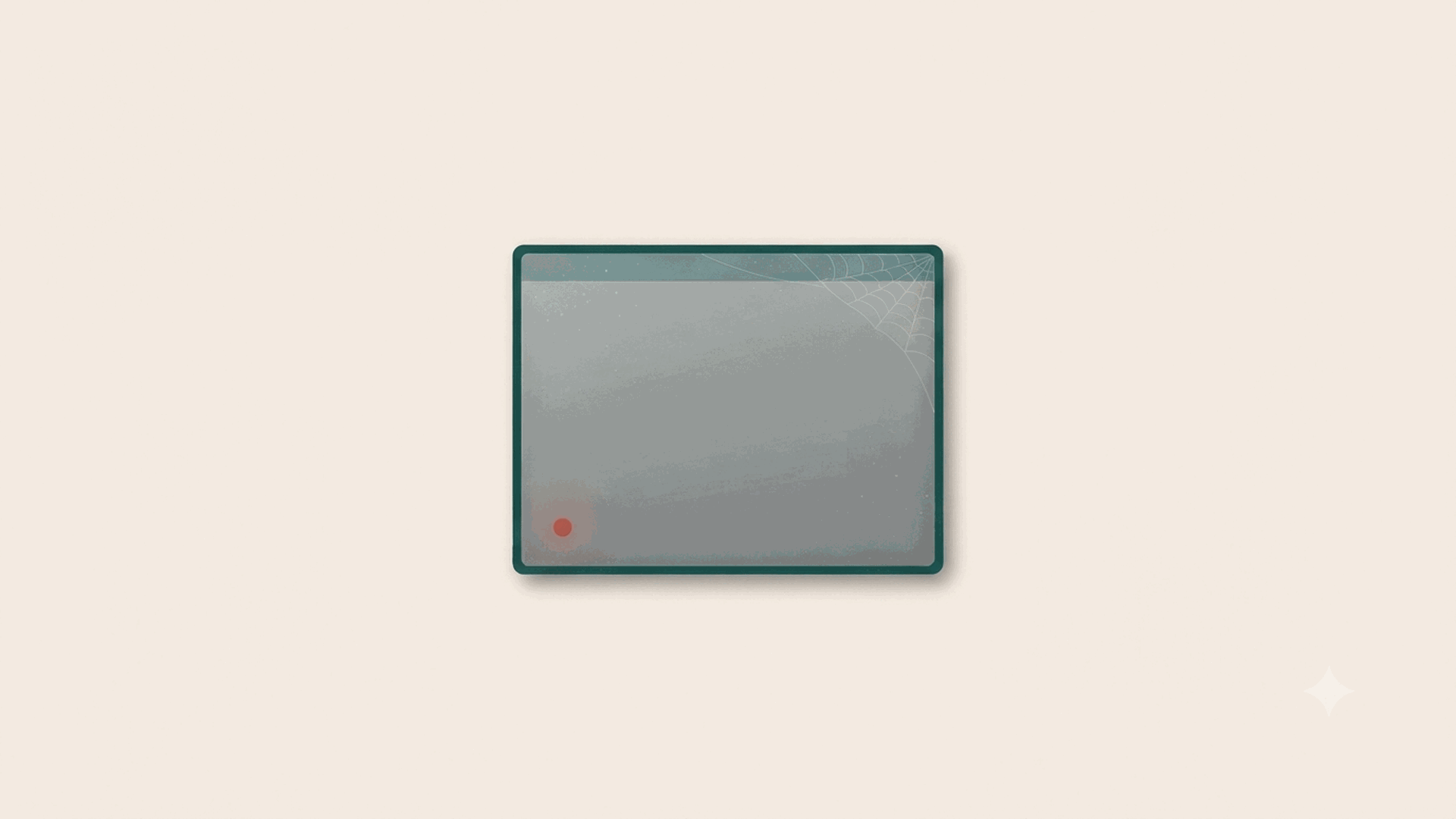
SRP cover: a dimmed, abandoned app window with a faint cobweb in one corner and a single small red alert dot going unnoticed, the picture of a tool the team quietly stopped opening.

A Tool You Have to Fight Is a Tool You Stop Opening

The most important number for any project tool is not how much it can do. It is how often people actually open it without being told to. Every tool works in the demo and works in week one, when the team is trying. The real test comes in week six, on a busy afternoon, when opening the tool is one more thing to do and nothing forces the issue. Do people still reach for it, or do they quietly stop?

That question sounds soft. It is the whole game, because a tool the team has quietly abandoned is worse than no tool at all.

August 5, 2026 · 3 min · SRP Team
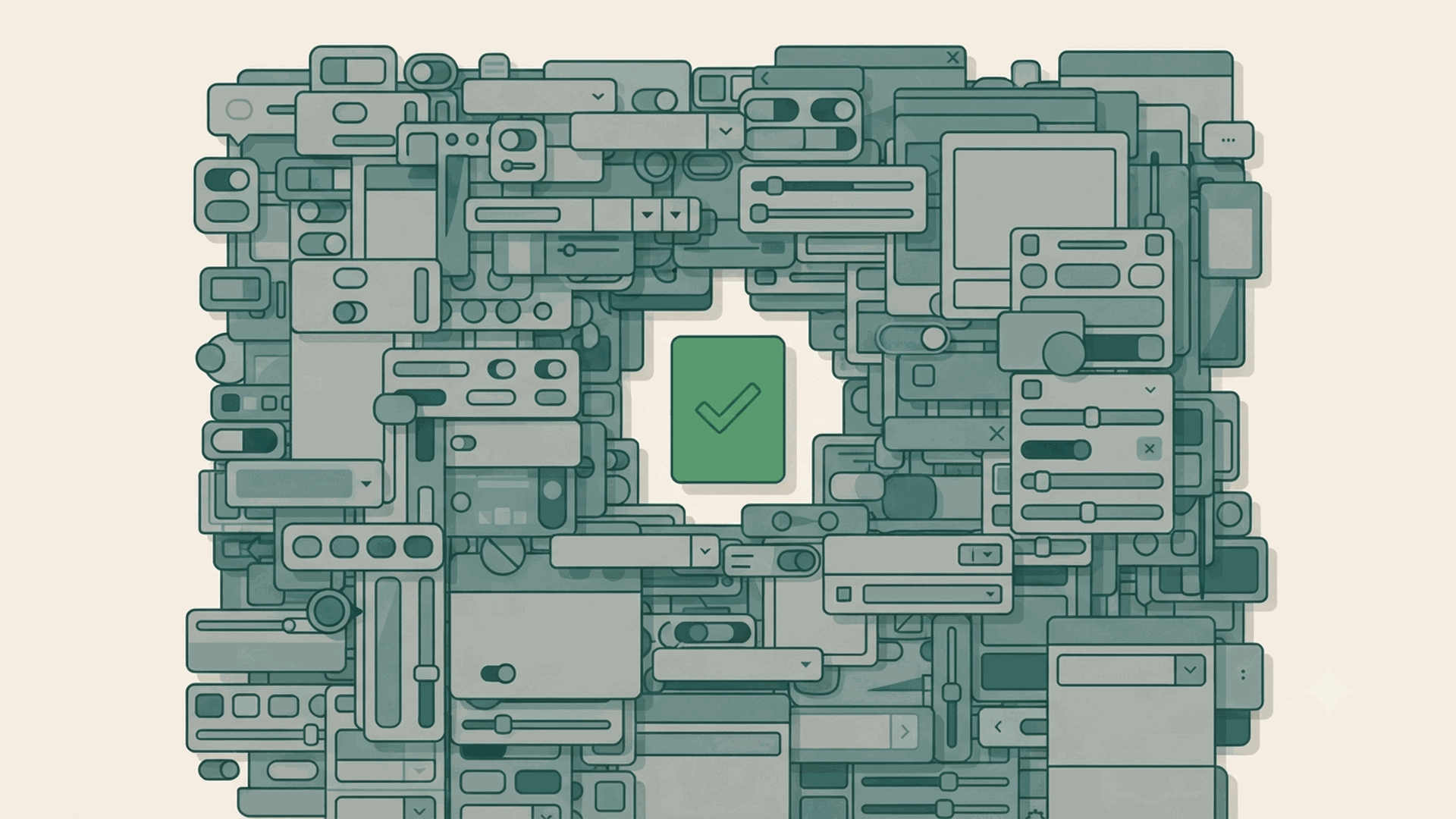
SRP cover: a dense, chaotic wall of muted interface controls filling the frame, with a single small green card and checkmark in a clear gap in the middle, the one answer surrounded by clutter.

Every Feature You Don't Use Is Still in Your Way

The pitch for the big project tools is always addition. Fifteen ways to view your work. Custom fields for anything. Automations, docs, goals, time tracking, whiteboards, forms, all in one place. It reads well on a feature comparison, where more boxes ticked looks like more value. And underneath it sits a quiet promise: a feature you are not using costs you nothing, it just waits until the day you need it.

That promise is false, and it is the most expensive false thing in software.

July 31, 2026 · 3 min · SRP Team
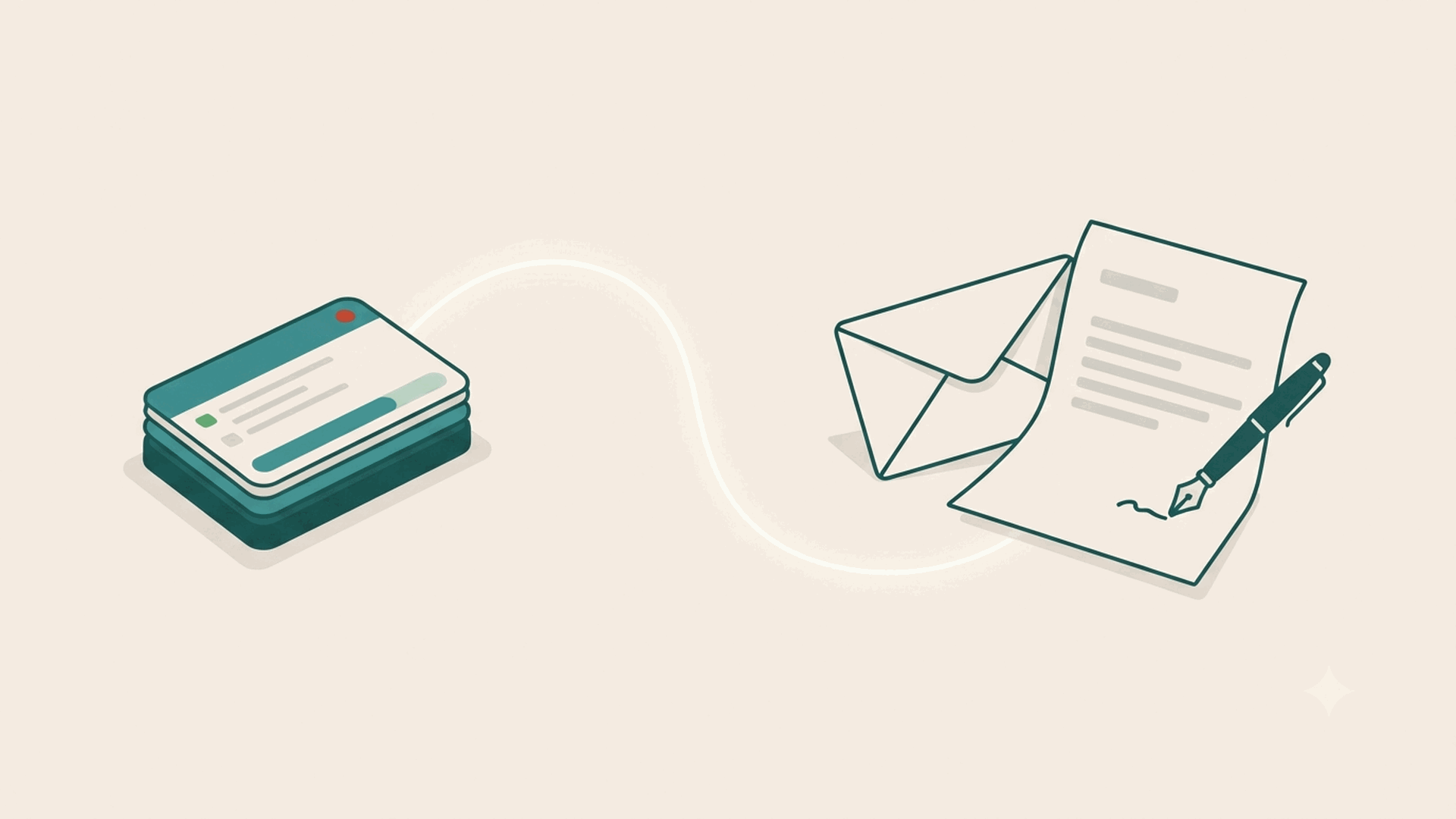
SRP cover: a project shown as a small stack of task cards on the left, a glowing line flowing to a letter and envelope on the right that a pen is writing on its own, with no hand.

The Status Email That Writes Itself

It is Friday afternoon and someone on your team is writing the same email again. Hi, quick update on where things stand. The design is with the client for review, development starts Monday, we are still waiting on the copy, launch is tracking to the end of the month. It takes forty minutes across a few clients, it is nobody’s favourite task, and you cannot bill a minute of it. Next Friday, they will write it again.

That email is not the problem. It is a symptom of a specific one, and it is worth naming, because once you see it you will stop paying for it.

July 27, 2026 · 4 min · SRP Team
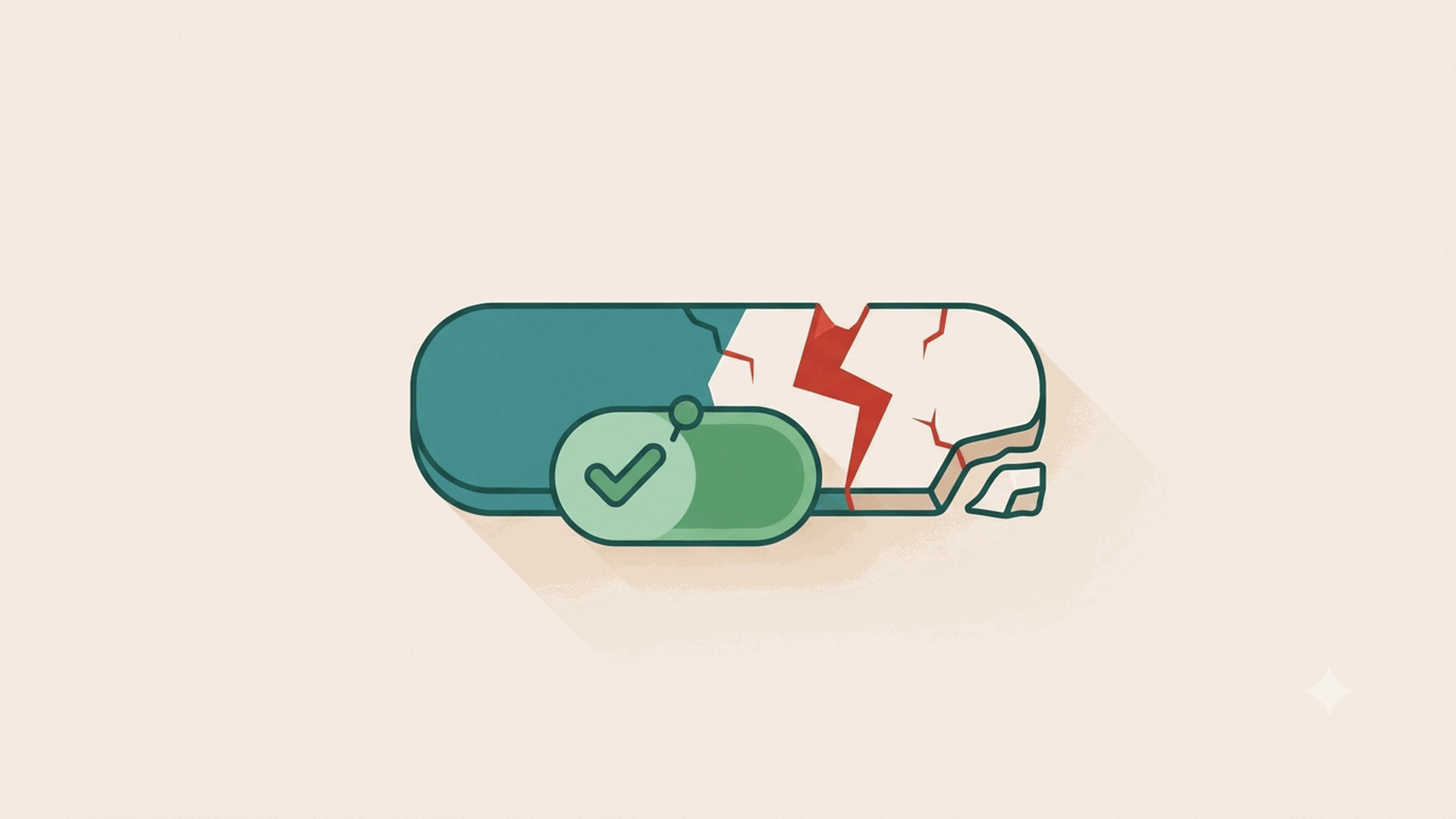
A rounded status bar: the left half is a calm teal on-track block with a small green tick badge pinned to it, while the right half has cracked apart along a jagged red fault line, the confident label oblivious to the break.

Why Your Tool Can't Warn You Early

On Friday the board was green. Every card on track, the client update sent, everyone offline for the weekend. By Tuesday the project was on fire, and when you scrolled back through the tool, nothing had changed between the two. It just sat there green while the work quietly came apart. The easy explanation is that someone forgot to move a card. But this happens to careful teams too, and it keeps happening, which means the problem is not discipline. It is what a status actually is. In most tools the thing that tells you a task is at risk is a field a person types, and a typed status has a fatal property: the only thing that changes it is a human noticing. The update and the noticing are the same event.

July 24, 2026 · 3 min · SRP Team
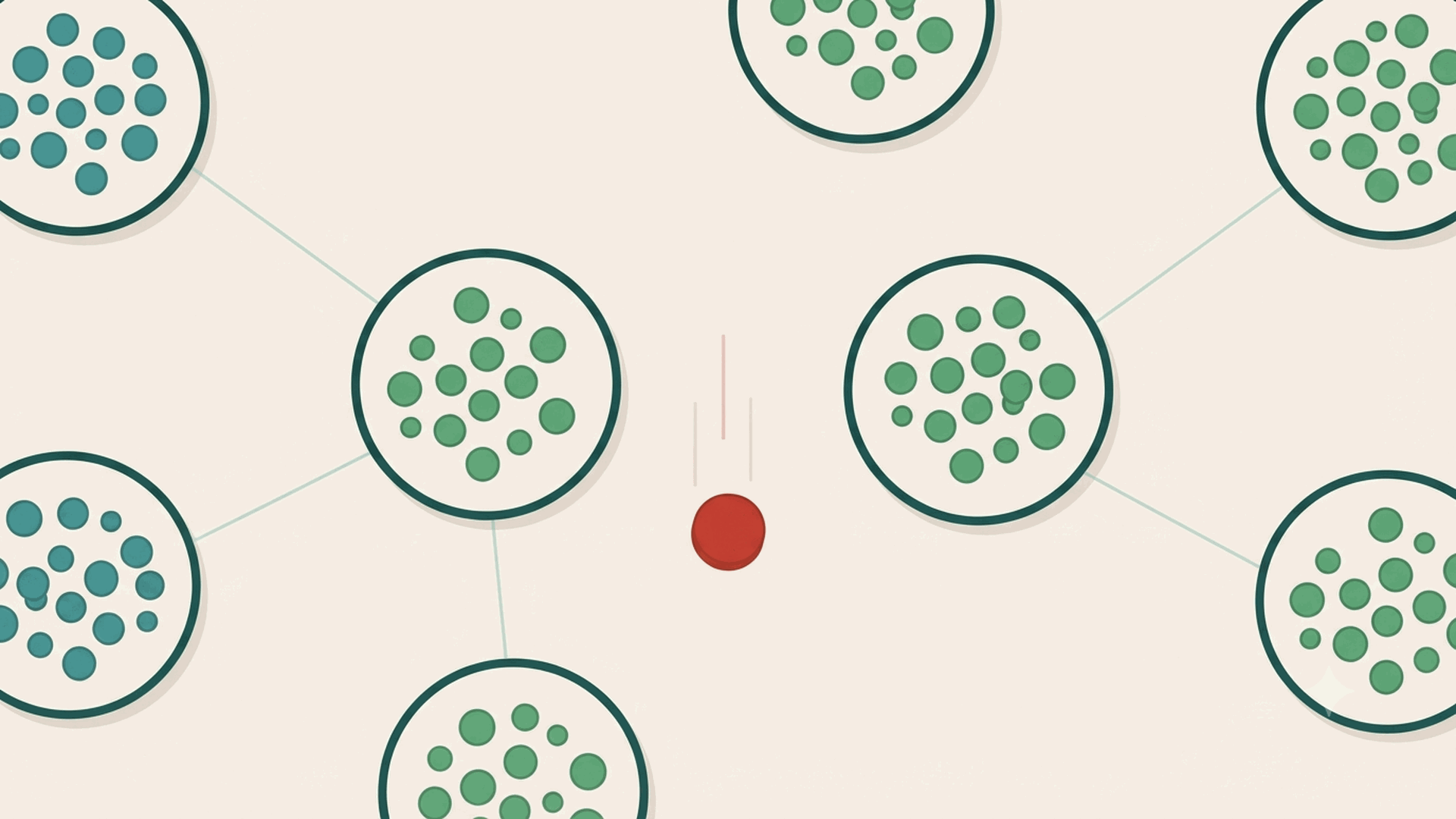
SRP cover: several separate teams shown as circles of dots connected by thin lines, with a red token slipping through the gap between two of them, unwatched.

What Worked on One Team Breaks Across Five

On one team, good ceremony works. The daily standup surfaces what is stuck, refinement keeps the next work ready, the retro fixes what went wrong last time. Run those well and nothing gets left behind, because the team is small enough that the rituals touch every piece of work. Anyone who calls agile ceremony theatre has not seen it done well on a team that needed it.

Then you get handed a second team. And a third. And the thing that quietly breaks is not the ceremony. It is the assumption that it scales.

July 22, 2026 · 4 min · SRP Team
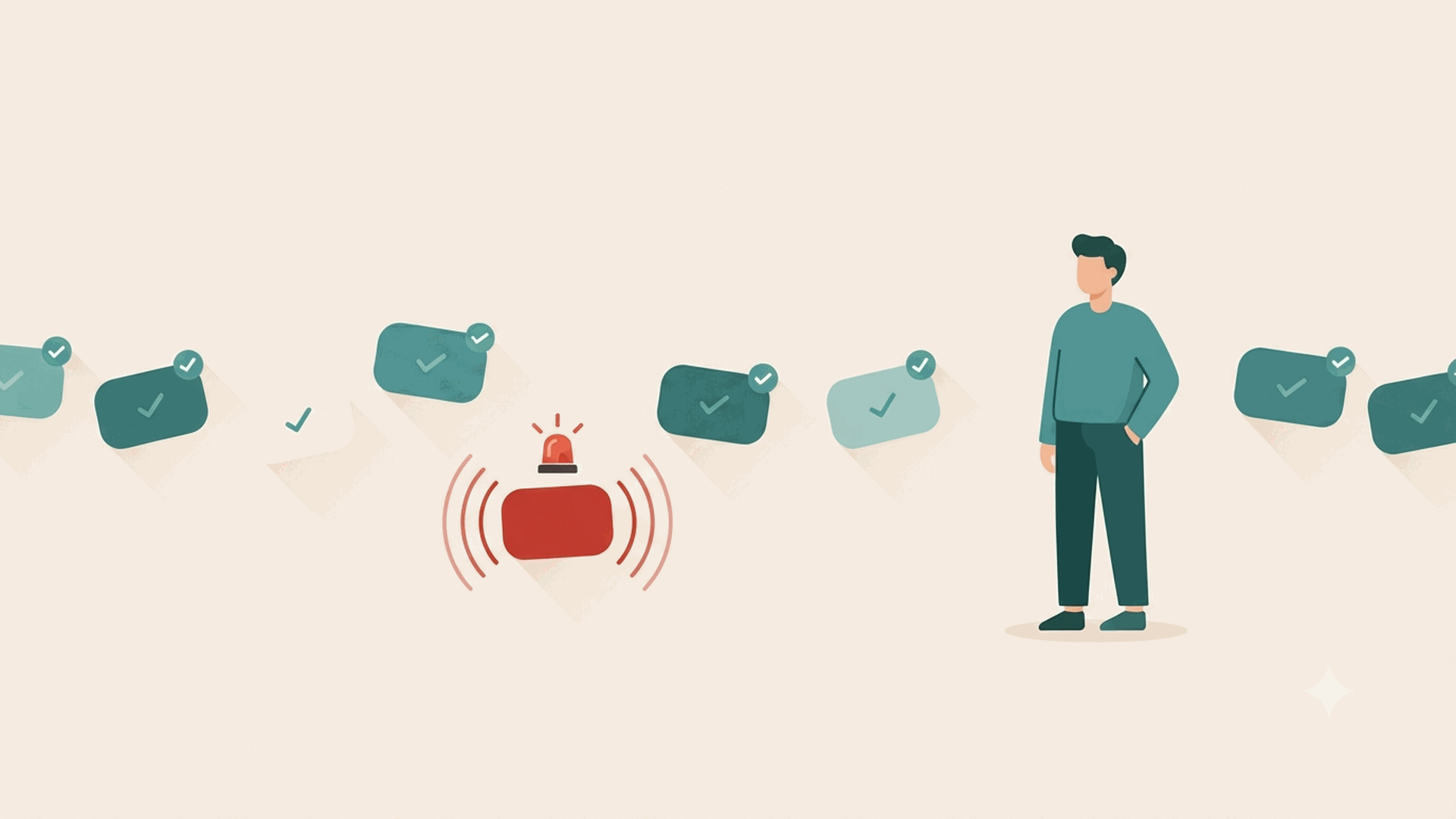
Task cards flow past with green checks, all on track; one has set off a red alarm on its own while a person stands nearby, relaxed and not watching.

Keep the Governance, Kill the Status Report

Every plan to stop projects from slipping arrives as one of two promises, and both let you down. The first is a better tool: buy something powerful enough and the slips stop. They don’t, they just get more places to hide. The second is discipline: train the team, run the governance, keep the register current, and reliability follows. That one is closer to right, and it is where most serious teams land. But it hides a catch that only shows up on a busy Tuesday, because there are two very different things wearing the word governance, and only one of them was ever going to hold.

July 20, 2026 · 4 min · SRP Team