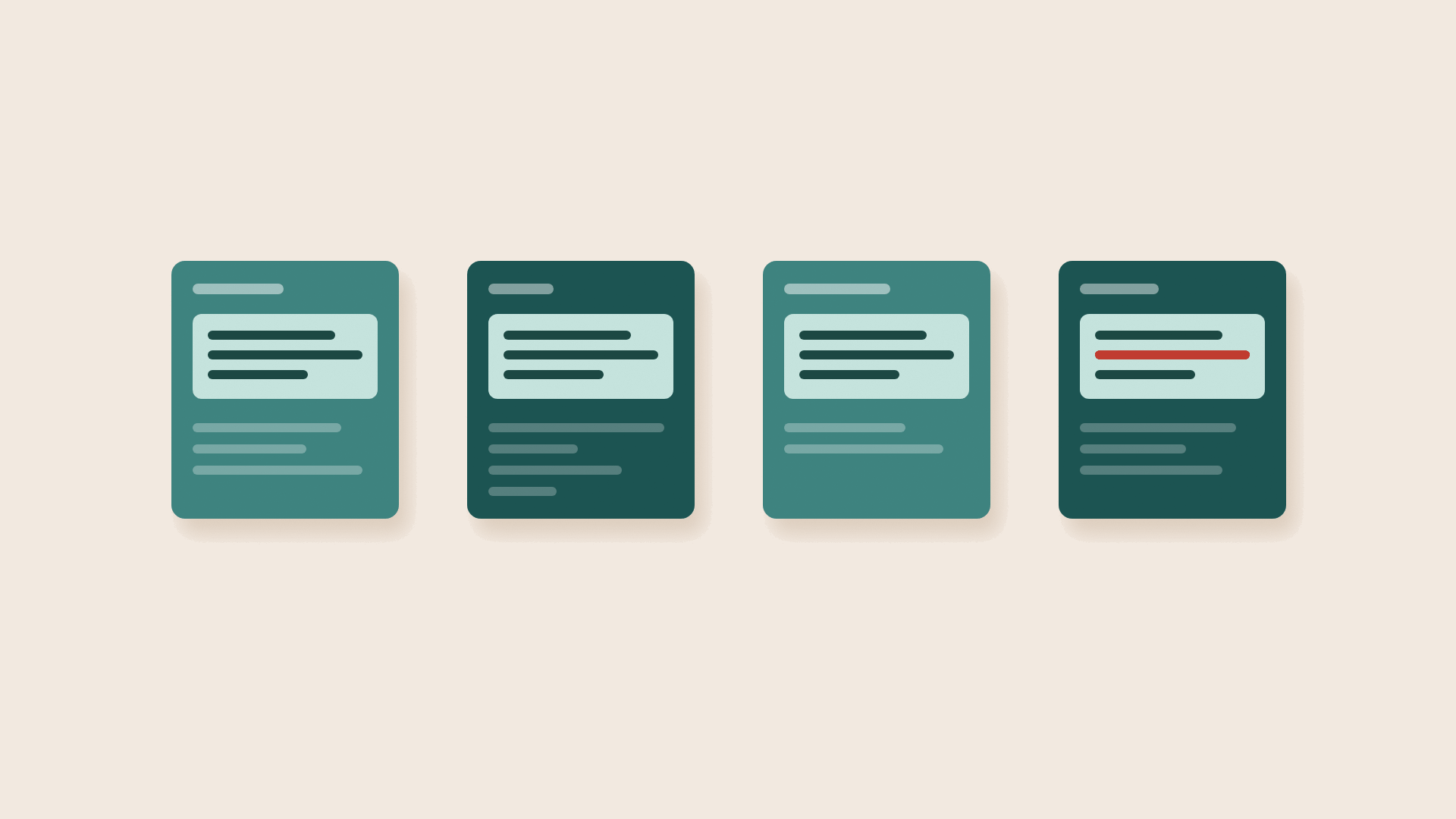
Four teal task cards in a row. Each one has the same pale block of three dark lines pasted near the top, with a few task lines of its own below. In the fourth card the middle line of the pasted block is red.

A client asked for a handbook. Three days later it was in production.

Two weeks ago the team at New Anglia told us about a habit they wanted to lose. Every time they wrote a task, they pasted the same information into the description. The design system rules. The steps to onboard a new client. The way a handover works. Common knowledge, typed again and again, and slowly going out of date in a hundred places at once.

What they wanted was simple. One place for this information, next to the work, that the whole team can reference and keep current.

Three days later it was in production.
November 4, 2026 · 3 min · Alexander Lolis
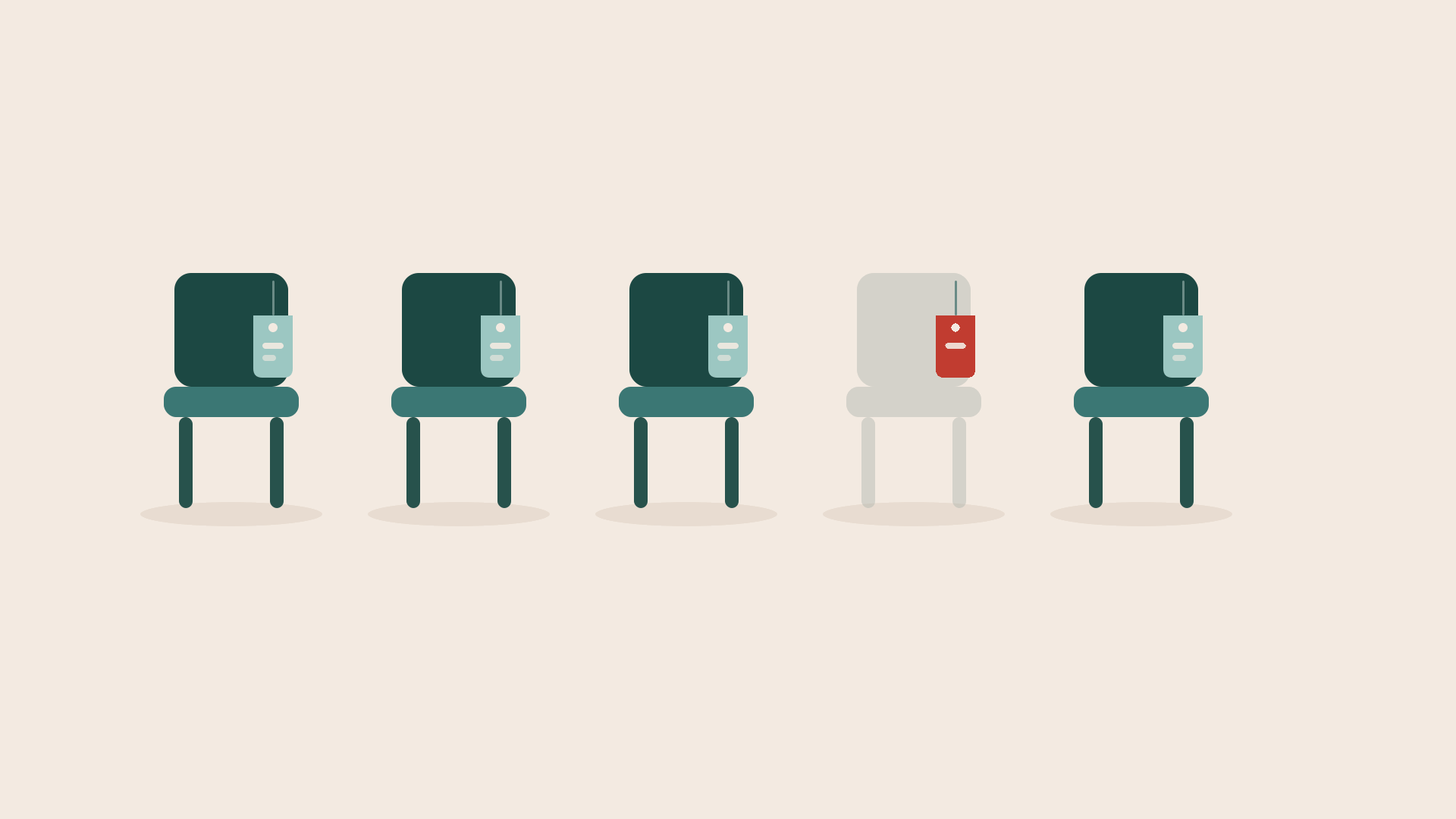
Five chairs in a row on a cream background, each with a small price tag hanging from the backrest. The fourth chair is a faded grey ghost, and its tag is the only red one.

Why we killed per-seat pricing

Something changed in how people look at a SaaS price, and I do not think most pricing pages have caught up. Every price now gets silently compared to what it would cost the customer to build the same product themselves with an AI coding tool over a weekend. Not whether they would. Whether they could. The answer used to be expensive. Now it is free, and it shows up every time an invoice does.

September 25, 2026 · 3 min · Alexander Lolis
The SRP logo mark on a white rounded tile, above the words "Why I built SRP" and "Founder notes — Alexander Lolis" on a warm cream ground

Why I built SRP

I didn’t set out to build another project management tool. There are enough of those. I set out to kill the management nobody needs: the check-ins, the status-chasing, the meeting you run just to find out what’s behind. And to help teams keep their rhythm and momentum.

For years, the rhythm of running projects looked the same no matter what tool I was using. Monday morning, get everyone in a room, or a call, and go around the table: what are you working on, what’s blocked, what’s slipping. By the time we’d finished, we knew what was behind. The problem is that “by the time we’d finished” was already too late. The thing that slipped had been slipping for days. The meeting didn’t catch it. The meeting just told me it had already happened.

June 17, 2026 · 5 min · Alexander Lolis