The most important number for any project tool is not how much it can do. It is how often people actually open it without being told to. Every tool works in the demo and works in week one, when the team is trying. The real test comes in week six, on a busy afternoon, when opening the tool is one more thing to do and nothing forces the issue. Do people still reach for it, or do they quietly stop?
That question sounds soft. It is the whole game, because a tool the team has quietly abandoned is worse than no tool at all.
Adoption is not a mandate, it is a feeling
You cannot order a team into using a tool well. You can require them to log in, and they will, and they will do the minimum that avoids a telling-off, which is not the same as keeping the work honest. Real adoption is quieter than that. It is someone opening the tool because it is the fastest way to see where things stand, not because a manager is watching. That only happens when the tool is pleasant to reach for, when it answers the question in the first second instead of making you work for it.
So the interface is not decoration sitting on top of the real product. For the person deciding, a hundred times a week, whether to open this thing or just wing it, the interface is the product. A calm one gets opened. A cluttered one gets avoided, politely, until it is stale.
The quiet death, and why it is dangerous
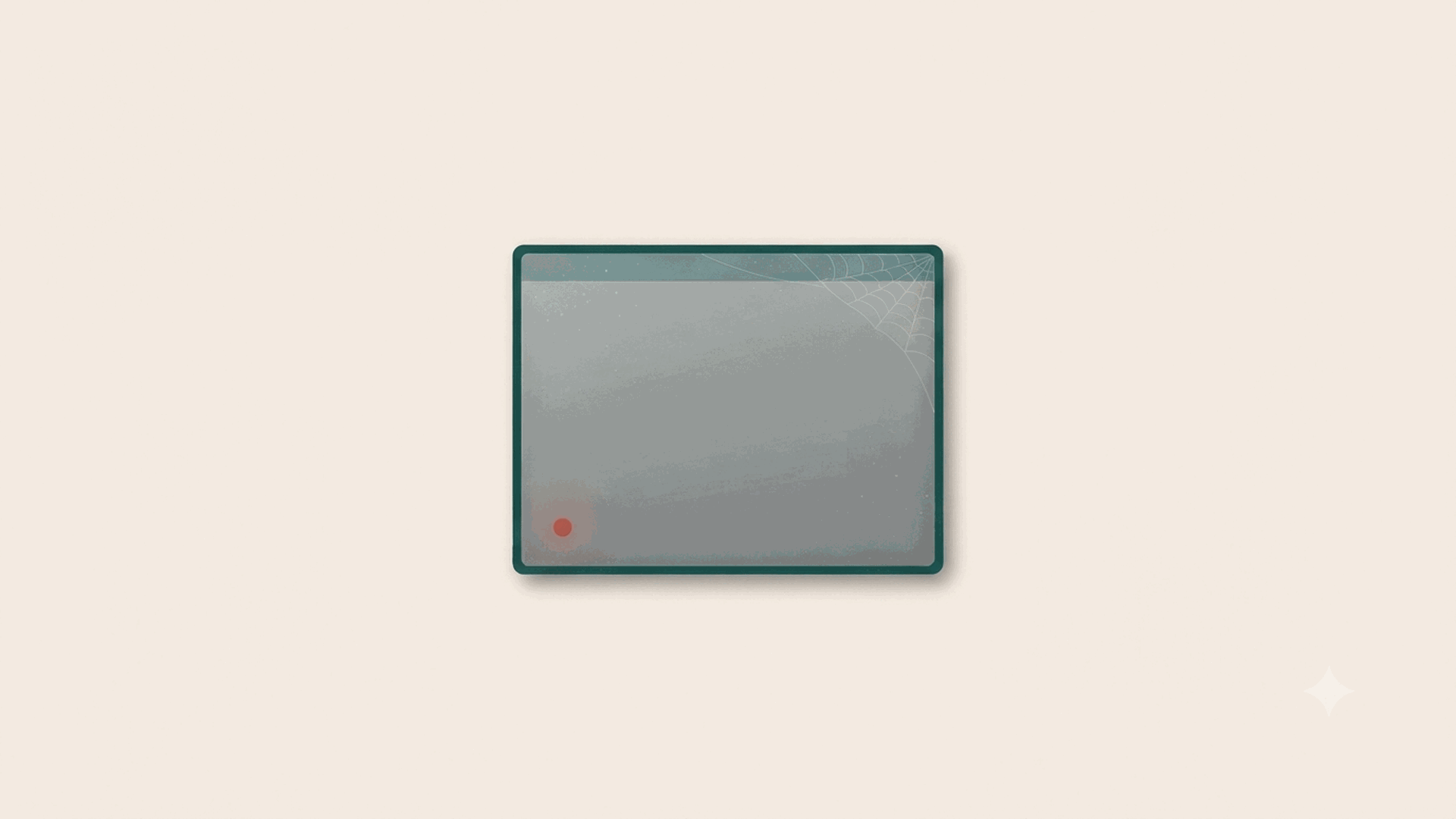
Here is how a tool actually dies on a team, and it is never a dramatic exit. Nobody announces they have stopped using it. They just open it a little less. The board drifts a day out of date, then a week. Because it is out of date, checking it feels pointless, so people check it even less, which makes it more out of date. Within a month the tool is technically in use and practically fiction, and the team has drifted back to chasing each other in chat and holding the real status in their heads.
The dangerous part is that from the outside it still looks fine. There is a tool. There is a board. Someone glancing in assumes the work is tracked. It is not, and the moment you find that out is usually the moment something has already slipped. A tool people fight is not just annoying. It fails silently, and silent failure is the worst kind in work that is supposed to be visible.
Open to the answer, not the controls
The fix is to make the tool earn the open. The first thing on the screen should be the answer, what needs your attention right now, not a control panel you have to operate to assemble that answer yourself. Land on the conclusion and opening the tool pays off in the first second, so people keep reaching for it. Land on a wall of columns and filters and every visit has a tax, so eventually they stop paying it.
SRP is built to be opened. It leads with the needs-attention view, so the first thing you see is the answer, not the machinery, and there is nothing to configure before it is useful. The goal was never a tool people are made to use. It was one they reach for on their own, because a tool the team actually opens is the only kind that keeps telling you the truth.