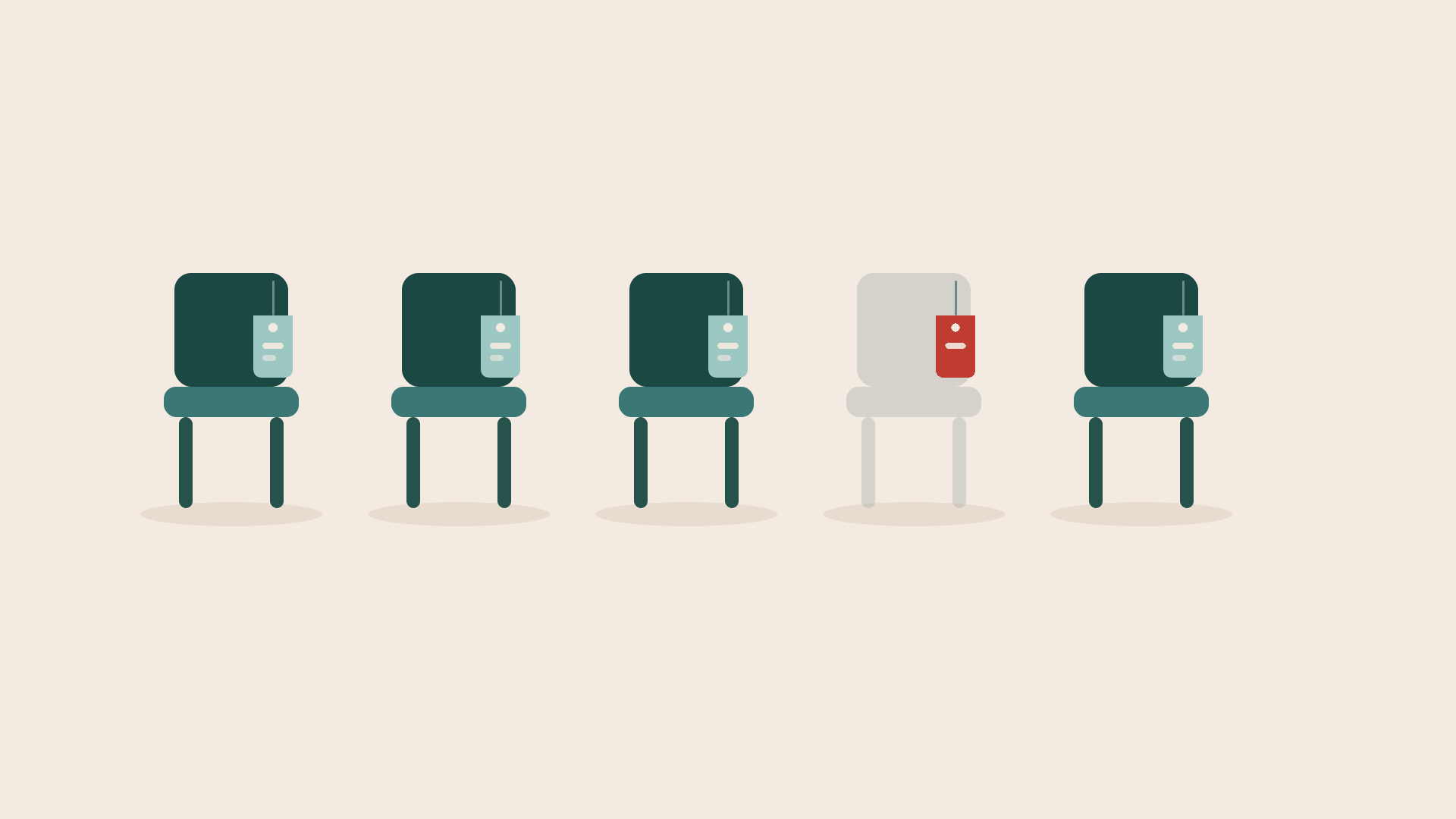
Something changed in how people look at a SaaS price, and I do not think most pricing pages have caught up. Every price now gets silently compared to what it would cost the customer to build the same product themselves with an AI coding tool over a weekend. Not whether they would. Whether they could. The answer used to be expensive. Now it is free, and it shows up every time an invoice does.
A fair question, asked at every invoice
When a technical founder sees a price today, one thought comes before anything else. This is a form, a table and a few reminders. I could build that in an afternoon. The thought is usually right about the afternoon and wrong about everything after it. It comes anyway, and it comes before they have looked at what your product does.
That is not the customer being difficult. It is a fair question, and it was not a fair question three years ago. Building was expensive, so nobody asked. Now it is cheap, so everybody does. A price has to have an answer to it.
From there it goes one of two ways. Either they think “I could, but I will pay and move on”, and they become a customer. Or they think “I will build it”, spend a weekend on it, and end up with a half-working tool they now have to maintain. You never hear from them, and you never learn why they did not buy.
Where per-seat pricing breaks
Per-seat pricing asks the build-or-buy question at the worst possible moment. A customer adds a seat when they hire. A founder feels most able to build something themselves right after they hire an engineer. So every new hire is a new invoice line and a fresh chance to answer “build”.
A flat price gets decided once. At renewal, or the first time the card is charged, someone looks at it and moves on. It becomes part of the cost of doing business. A seat fee never becomes that. It grows with the team, the one thing the customer is proudest of, and it feels like paying rent on people they already hired.
“Per-seat is dead” is a headline, not a fact. Most SaaS companies still charge per seat in some form, and when the product is a tool each person uses on their own, a code editor for example, seats are a fair proxy for value. But for a product that gets better with every person in it, a seat fee pulls the other way.
What we did
We killed our per-seat plan. Not because a survey said flat pricing is trending, but because charging per person gave our customers a reason to leave people out, and every person left out made the product worse.
Three plans, one flat number each. Free for one person, with unlimited projects and the full health engine. One price for small teams, one for large ones, and nothing that grows when the customer hires. Only people who sign in count. Everyone else is a member without sign-in, free on every plan. Clients and their guests never count either.